

We all know about the National Parks, but what other beautiful areas of our country are worth a long weekend in a campervan? We wanted to spotlight some places that may be less well known but are still well worth your time, so that’s exactly what we’re doing here.
National Landscapes & National Scenic Areas
In England, Wales, and Northern Ireland these used to be called Areas of Outstanding Natural Beauty, but they were recently renamed as National Landscapes. While they don’t have all the protections of a National Park, they’ve been recognised as such lovely places that they shouldn’t be extensively built in.
Scotland has a similar scheme, but calls them National Scenic Areas.
So if you’ve seen AONB on a map and wondered what it meant, now you know – and don’t worry, you’re not alone! Even many people who live in AONBs aren’t aware of it.
Some of these areas are hugely overlooked, but almost all of them make a great place to visit in your campervan and explore.
Blackdown Hills
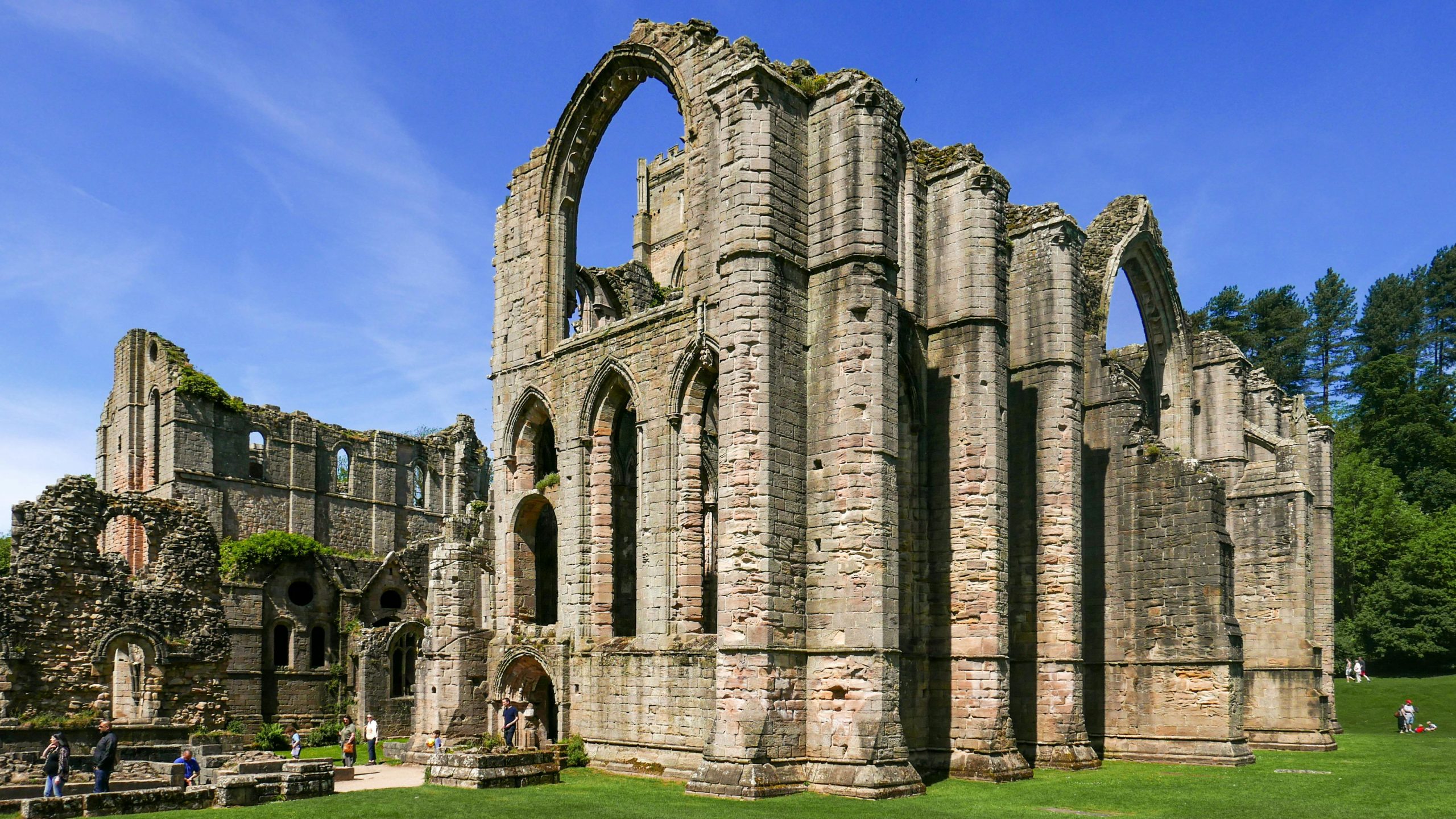
Rolling through Devon into Somerset, the Blackdown Hills are a joy for history buffs. Just off the M5, there are plenty of small road cris-crossing the area, and within it you’ll find Iron Age hill forts, Norman motte-and-bailey castles, and historic Dunkeswell Abbey. As well as that, the area is of high ecological interest, being home to beautiful and unusual plants as well as a huge population of many different birds. Looking through the area can be educational as well as enjoyable.
The Gower Peninsula
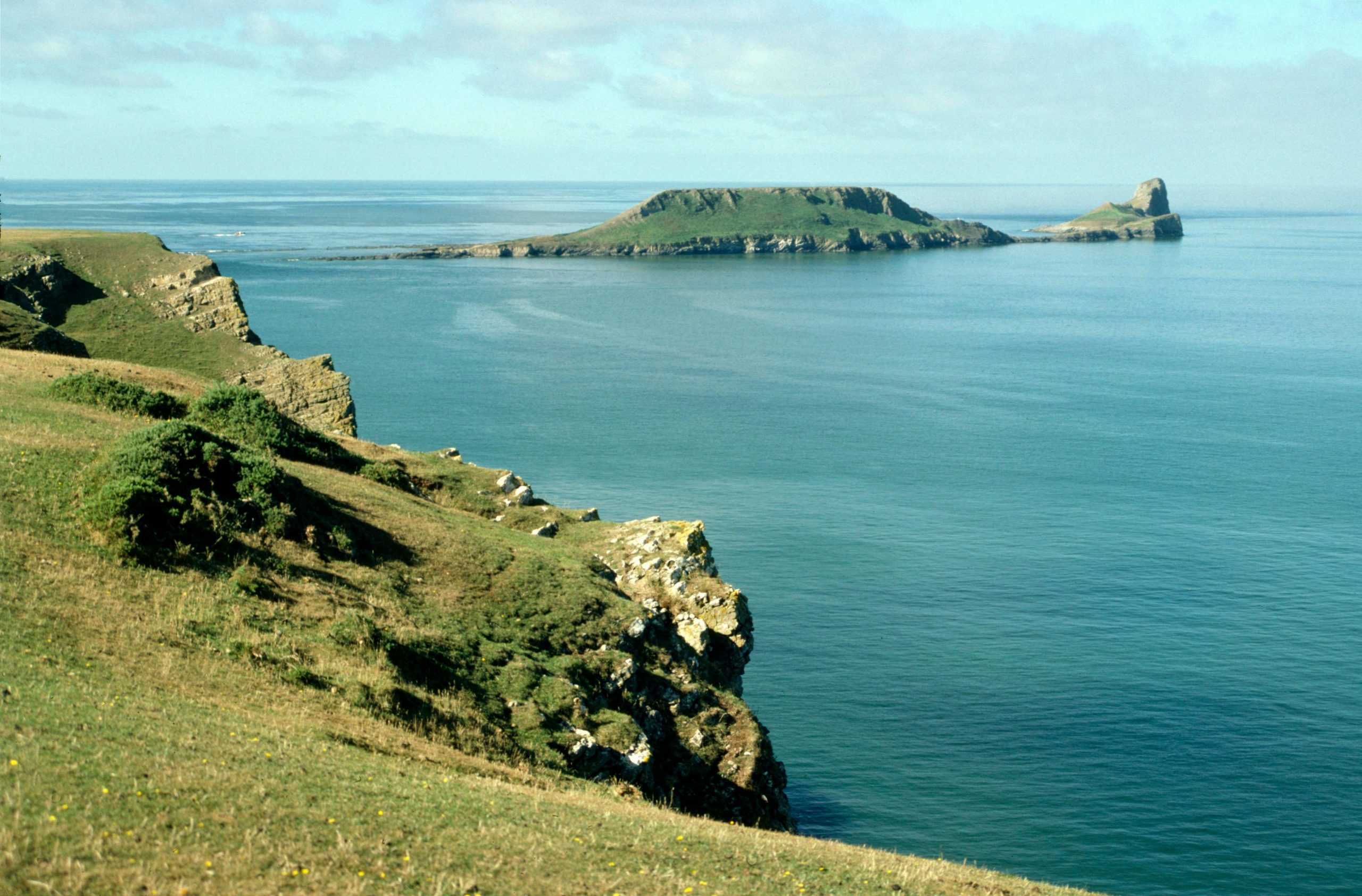
In southwest Wales, not far from Swansea, you’ll find the Gower Peninsula, which can proudly boast being the first area to become a National Landscape all the way back in 1956. The coastline and its caves are the big standouts here, but Bishopton Valley is a local nature reserve, and instead of history, you’ll find prehistory in Gower’s caves, which contain rock drawings and human fossils.
The Ring of Gullion
You’ll find the Ring of Gullion in County Armagh, centred around Slieve Gullion, the county’s highest peak. The area is surrounded and marked out by a double ring dyke, a natural formation caused when a now-dormant volcano caldera collapsed, with magma emerging to create a ring of large stone structures.
It’s amazing to stand in the ring and look up at Slieve Gullion within and think that this high mountain is younger than the collapsed volcano that forms the rings around it, and indeed there are multiple lakes within the ring too, of which the largest is Camlough Lake. The Ring is also known as the District of Songs, and has the same deep association with famous poets as the Lake District.
Any or all of these would make fantastic trips to wander around and explore, and each of them are best explored in a campervan for easy mobility.
If you’d like to see more of these, let us know – we’ve only just begun to touch on the nation’s beauty.
